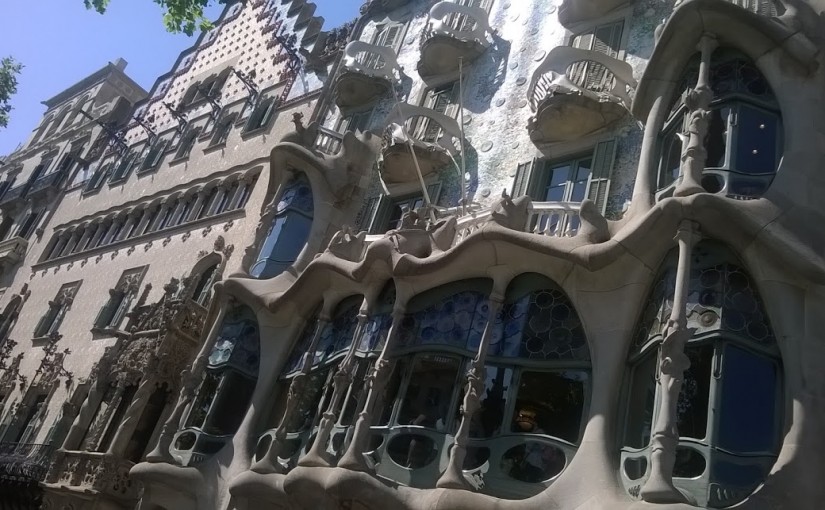
It’s not all sunshine, sea, sangría, and the rest.
Today we’ll look at some real daily grind Spanish, the sort of things you might put off learning or have never looked up because they are so boring! I certainly remember grasping for how to ask what time reception closes, ask my host to let me wash the dishes, and ask if there is a launderette nearby. Even seasoned Spanish learners can be thrown by simple things like a visit to the supermarket, simply because it’s never a situation you are in until you are actually there, and it is rarely covered in classes!
Loosely following Maslow’s “hierarchy of needs”, here we really address the base of that pyramid – particularly useful if you are in Spain for more than a few days. Vamos a por ello!
Accommodation and your surroundings
After water and food, this is where the action is at :) In Spain, as I imagine in many countries, there are loads of ways to put a roof over your head. There are the old favourites, hotels and apartment rentals, but things are getting increasingly diverse at the budget (i.e. more interesting) end of the scale. Hostels and guest houses of all descriptions, camping, AirBnB, Couchsurfing, and even Workaway or house/pet sitting. Perhaps a topic for another post.
Here is the basic vocabulary for a typical trip:
Alojamiento (“accommodation”)
Hotel (“hotel”)
Albergue o albergue de juventud (“hostel” or “youth hostel” – essentially the same thing.)
Hostal (“guest house” or “bed and breakfast”. A bit of a false friend here; don’t get confused with youth hostels as above!)
Pensión (“guest house” or “bed and breakfast”.)
Apartamento o piso (“apartment” or “flat” – essentially the same.)
Casa (“house”)
Habitaciones (“rooms”)
Habitación individual (“single room”)
Habitación doble (“double room”)
Camas (“beds)
Sofa (“sofa” or “couch”)
Personas (“people”)
Tarifa (“rate”)
Horario (“schedule” or “opening hours”)
A qué hora…? (“what time…?”)
Cierre (“closes”)
Abre (“opens”)
Recepción (“reception”)
Entrada (“check-in”)
Salida (“check out”)
Reserva (“reservation” or “booking”)
Tengo una reserva (“I have a reservation”)
Nombre (“name”)
Apellido (“surname”)
Pagar (“to pay”)
Tarjeta (“card”)
Efectivo (“cash”)
Escalera (“stairs”)
Ascensor (“elevator” or “lift”)
Llaves (“keys”)
Contraseña wifi o clave wifi (“wifi password” or “wifi key”)
Desayuno (“breakfast”)
A few small pointers if you are actually staying in someone’s home:
Dejame lavar los platos (“let me wash the dishes”)
Puedo poner la mesa (“I can set the table”)
Voy a hacer la compra. Necesitas algo? (“I’m going grocery shopping. Do you need anything?”)
In the supermarket
A situation which can strike terror into the heart of even the steeliest traveller (although that can happen in your local supermarket too…)
Bolsa/bolsita quieres? (“do you want a bag?”)
Ya la tengo (“I have one already”)
Guantes (“gloves” – in Spain it is normal to handle fruit and veg with plastic gloves, or like me just with the bag. Touching is, alas, normally forbidden.)
Tiene…? (“do you have/sell…?”)
Parking? (do you need to pay for parking?)
Tarjeta de … tienes? (“do you have a … loyalty card?”)
Necesito sacar dinero (“I need to withdraw some cash”)
Note that while in many places in Spain paying by credit card is still uncommon, in supermarkets it’s normally possible. Also, it may just be me but there seems to be a strong habit of paying with exact cash or adding euros and cents on to your notes so you get a round number back as change. This makes sense, but it can be easy to get confused, especially when trying to remember your Spanish, so be prepared to be asked for the odd coins!
Laundry
If the supermarket can be unpleasant, doing your laundry… Anyway, it needs to be dealt with and here are a few things to remember:
Lavadora (“washing machine”)
Lavandería (“launderette” – note these are much less common in Spain than in the UK.)
Jabón en polvo (“washing powder”)
Lavar (“to wash”)
Secar (“to dry”)
Moneda (“coin”)
Cuánto tiempo dura? (“how long does it last?”)
Now I’m off to do none of the above. Hasta la próxima!
Bonus note
I thought I’d highlight something I’ve observed when travelling here in Spain, basically about how useful the simple present tense is in conversation. Try not to get too hung up on all the tenses when you are learning to speak; nailing the simple present will get you very far! Here’s a quick (non-exhaustive) list with some examples:
1. Facts or statements
Es caro (“it is expensive”)
Consiste en muchas palabras (“it has a lot of words”)
2. Habits
Trabajo por la noche (“I work at night”)
Juega al fútbol (“he plays football”)
3. Continuous Actions
Qué haces? (“what are you doing?” – note in addition to the more factual “what do you do?”)
Busco una panadería (“I’m looking for a bakery”)
[As usual, please contact me with any corrections or suggestions!]
Share:


